
Since 2006
Model-Based Steel Delivery
Five Services
One Coordinated Team
One Standard
Information the Work Can Use
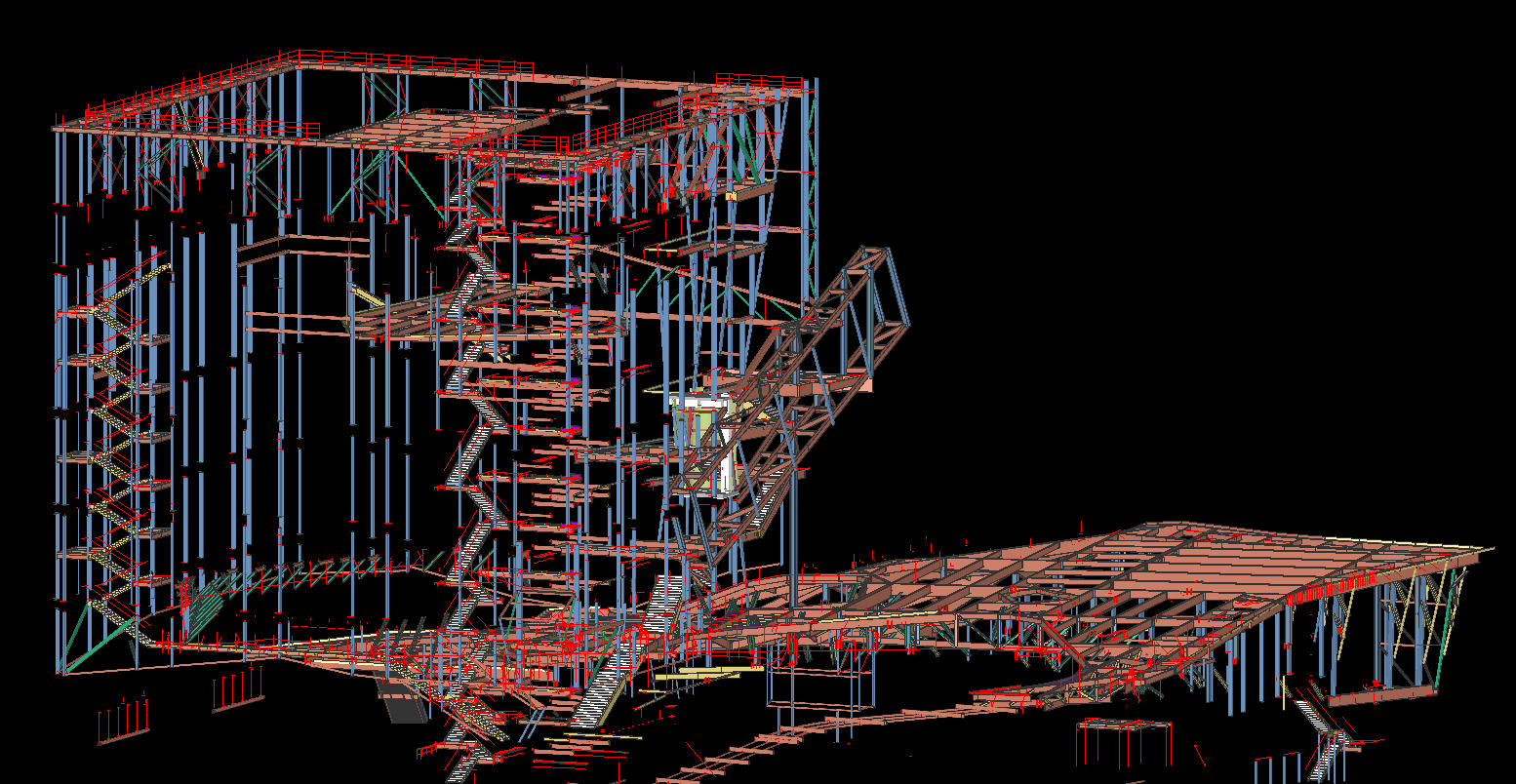
From the Archive · Industry Feature
Engineering.com · February 22, 2021
Connected Structural Group Goes Big with BIM
Engineering.com examined how CSG used SDS2, RISA, and Bluebeam to connect structural design, fabrication-level modeling, review, collaboration, and erection engineering.
The tools have continued to evolve. The principle remains central to CSG: project information creates the greatest value when it supports the people who must engineer, fabricate, coordinate, and erect the steel.
This external feature was published by Engineering.com in partnership with Nemetschek Group. It reflects CSG’s operations and leadership at the time of publication.
A View to the Past. A Vision for the Future.
The Tools Evolve. The Responsibility Does Not.
CSG began with the conviction that a structural model should carry useful information beyond design. That conviction now points toward an even more connected future for steel delivery.
What CSG Brought Forward
A Fabrication-Level Model from the Beginning
When much of the industry still treated modeling primarily as representation, CSG built its workflow around information that could support connection design, shop drawings, CNC data, coordination, review, and erection planning.
That required engineers and detailers to understand not only how a structure performs, but how information moves through the shop and into the field.
The model was never the final objective. Buildable steel was.
Where CSG Is Looking
Connected Information Across the Steel Lifecycle
The next advance is not simply a more detailed model. It is better continuity among structural requirements, connection decisions, fabrication preferences, material information, model coordination, staged construction, erection sequence, and field feedback.
Interoperability, automation, and real-time collaboration will continue to improve. Their value will depend on disciplined workflows and experienced judgment.
Technology accelerates information. Expertise determines whether that information is useful.
What CSG Examines
Insight Grounded in the Work
CSG Insights addresses the technical and operational questions that shape real steel packages—practical issues grounded in engineering, fabrication, coordination, and the field.
01
Integrated Steel Delivery
How engineering, connection design, detailing, coordination, and erection support create greater continuity when organized around shared project information.
02
BIM/VDC + Project Information
What makes a model reliable, usable, coordinated, and capable of supporting fabrication and field decisions.
03
Fabrication + Constructability
How shop preferences, material strategy, weld access, tolerances, release planning, and production information affect the work downstream.
04
Connections + Erection
Where structural behavior, connection geometry, temporary conditions, stability, sequence, access, and field installation meet.
05
Complex Project Lessons
Technical lessons from high-tonnage, high-rise, long-span, seismic, advanced-manufacturing, specialty, and schedule-critical work.
06
Awards + Industry Recognition
External media coverage, recognized project work, technical contributions, and milestones that document CSG’s place in the steel industry.
Technical Case Studies
How Complex Steel Problems Get Solved
CSG case studies go beyond the project photograph to examine the conditions, decisions, coordination, and technical judgment behind the work.
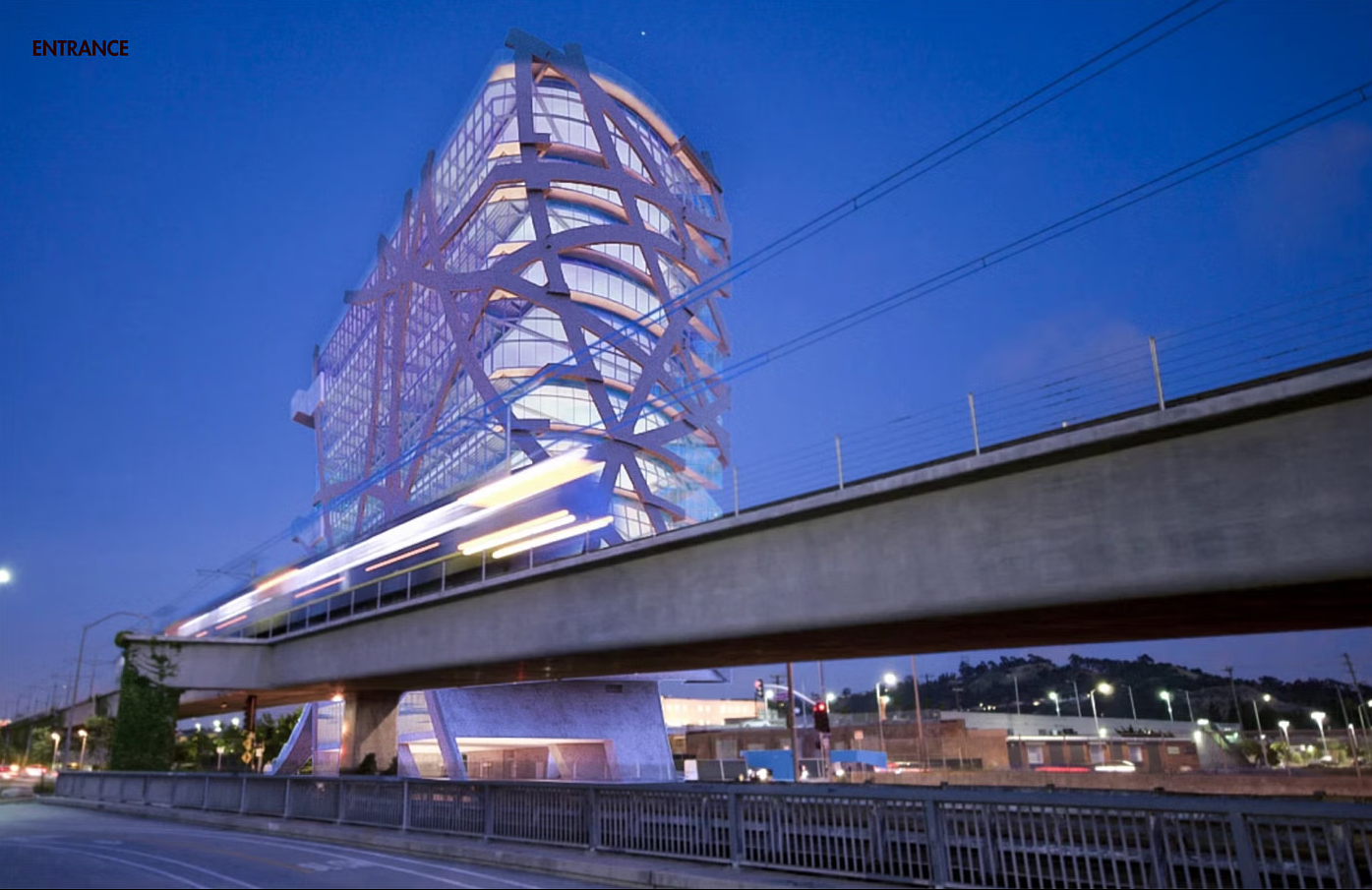
Featured Case Study · Hospitality + Specialty Structures
Fontainebleau Porte Cochere
A signature spherical-segment canopy required geometry, connections, fabrication, erection sequence, and final deflected position to be considered as one coordinated system.
Case-study focus: complex geometry · connection behavior · staged construction · coordinated delivery
Advanced Manufacturing
Coordinating Steel Across a Fast-Track Program
How repeatable connection strategies, controlled project information, fabrication requirements, and change management support large, schedule-driven facilities.
Focus: connection strategy, coordinated information, fabrication requirements, and change management.
Healthcare + Institutional
Maintaining Model Continuity Across Complex Interfaces
How disciplined BIM/VDC, detailing, review, and coordination help teams manage dense interfaces, revisions, and production information.
Case-study focus: project information · interdisciplinary coordination · fabrication readiness
Project Experience, Examined More Closely
CSG case studies connect the visible result to the technical work behind it—showing how structural requirements, fabrication priorities, coordinated project information, and field objectives were addressed around the steel package.
Foundational Questions
Technical Conversations Worth Having Early
The most useful insights often begin as project questions. These are the conversations CSG believes should happen before information gaps become production or field problems.
Model Responsibility
What Must the Project Model Actually Do?
A model may be visually complete and still be incomplete for production. The better question is whether it carries coordinated geometry, connections, material and release information, interfaces, revisions, and outputs that the fabricator and erector can use.
Define the model’s responsibilities before defining its level of detail.
Coordination Risk
Where Do Small Gaps Become Large Problems?
Gaps grow where responsibility changes hands: design to connections, connections to detailing, detailing to fabrication, and fabrication to erection. Clear scope, current information, disciplined revision control, and accountable coordination reduce ambiguity at those transitions.
The handoff is often where continuity matters most.
Field Readiness
When Should Erection Thinking Enter the Work?
Sequence, temporary stability, member access, splice location, lifting conditions, tolerances, and final fit-up can influence what is practical long before steel reaches the site. Bringing field objectives forward allows them to inform engineering and detailing decisions.
Erection is not the last step in the thinking.
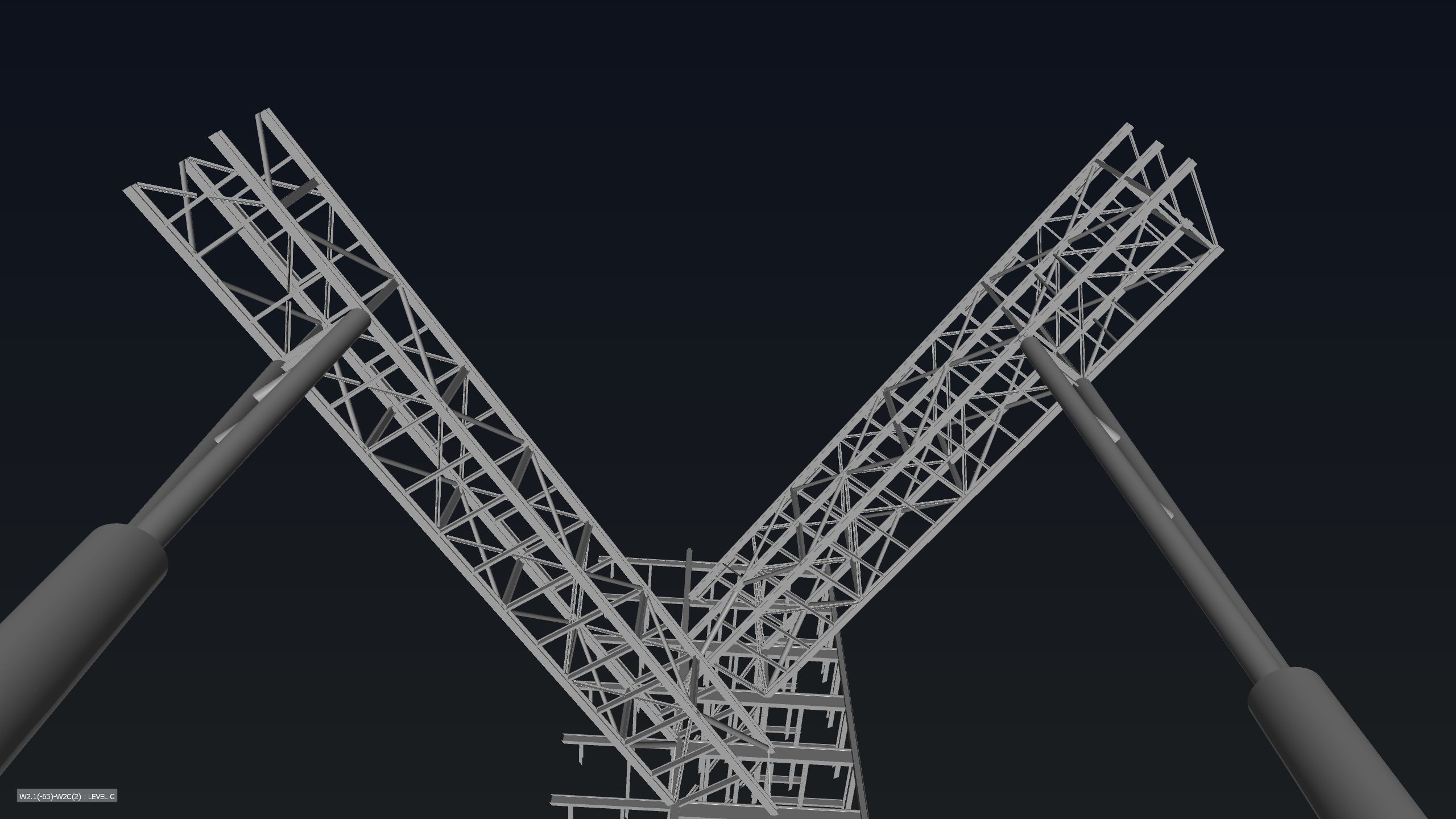
How We Examine the Work
A Clear View of the Technical Story
Each CSG case study is structured to make the work understandable without losing the technical context. The goal is to clarify what was required, what CSG was responsible for, and how coordinated decisions supported the steel package.
Context
What type of project or condition are we discussing?
Challenge
What technical or delivery problem had to be resolved?
CSG Scope
What responsibility did CSG carry?
Approach
How was the work engineered, modeled, detailed, or coordinated?
Outcome
What was made clearer, more buildable, or better coordinated?
Project and client information is shared only when permitted. Confidential and NDA-restricted information remains protected.
Awards + Industry Recognition
Complex Work Recognized by the Industry
Long before connected project information became an industry expectation, CSG was using model-based workflows to solve demanding steel conditions. These independent recognitions document that history.
2011 SDS/2 Solid Steel Competition · Best of Show
Perot Museum of Nature & Science
Connected Structural Group received Best of Show for the Perot Museum of Nature & Science. SDS/2’s annual competition recognized innovative and challenging projects developed using the platform.
The award was announced during the 2011 SDS/2 Users Group Conference.
2008 SDS/2 Calendar Feature
Lou Ruvo Brain Institute
CSG’s model for the complex Las Vegas project was selected for the 2008 SDS/2 Calendar and was also used by Design Data in promotional materials.
2009 SDS/2 Calendar Feature
C-17 Air Force Hangar
CSG’s two-bay hangar model at Travis Air Force Base was selected for the 2009 SDS/2 Calendar and SDS/2 promotional materials.
Technical Contribution
Experience That Helped Inform the Tools
CSG participated in development testing for Design Data’s engineering and design software, contributing troubleshooting, checking, and practitioner feedback during the development phase.
External Media
CSG in the Industry Conversation
Independent coverage that provides an outside view of CSG’s capabilities, project experience, and approach to connected steel delivery.
Engineering.com · February 22, 2021
Connected Structural Group Goes Big with BIM
Engineering.com examined CSG’s use of SDS2, RISA, and Bluebeam to connect structural design, fabrication-level modeling, digital review, collaboration, and erection engineering.
Published by Engineering.com in partnership with Nemetschek Group. The article reflects CSG’s operations and leadership at the time of publication.
Experience That Carries Forward
A Consistent Standard Across Changing Tools
From early SDS2 recognition to today’s industry conversations, CSG’s public record reflects a consistent approach: connect technical decisions, maintain reliable project information, and keep the work aligned with fabrication and field requirements.
The tools evolve. The responsibility to deliver useful, buildable information does not.